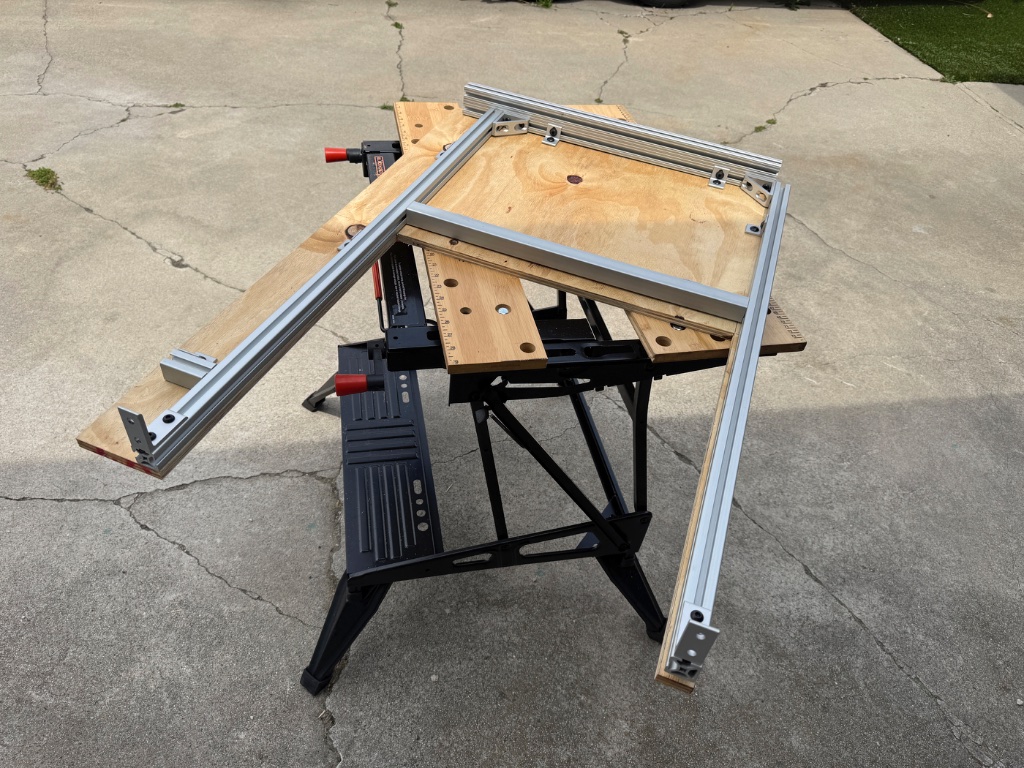
Heating System Test Rig
Details
I am not prone to complaining that hard things are hard. It doesn't make them easier, and in my case at least, the hard things I'm trying to do are self-inflicted. I have the choice to just stop and do something else.
That said, the simple sounding matter of how to heat the Airstream has been a royal pain in the arse from start to middle, since we are not yet at the finish. To begin, some context.
Heating is quite energy intensive. If you want to be able to produce heat off-grid, you want hydrocarbons, not electrons — propane, not batteries. Ok, decision made, we want a propane heater. But it's not that simple.
Research revealed that the propane RV heaters available in the USA are hopeless. Why? Because they use gas to create the heat, and then vast amounts of electricity too, running fans to blow the hot air around. This is totally inefficient when there's an alternative the Americans have not yet discovered called convection.
Convection is pretty simple stuff. It's taught in high school physics. Hot air rises, cold air sinks. Heating creates a current of circulation in the space (especially a small enclosed one like an Airstream) that eventually heats all the air without needing noisy, energy consuming fans and the associated duct work.
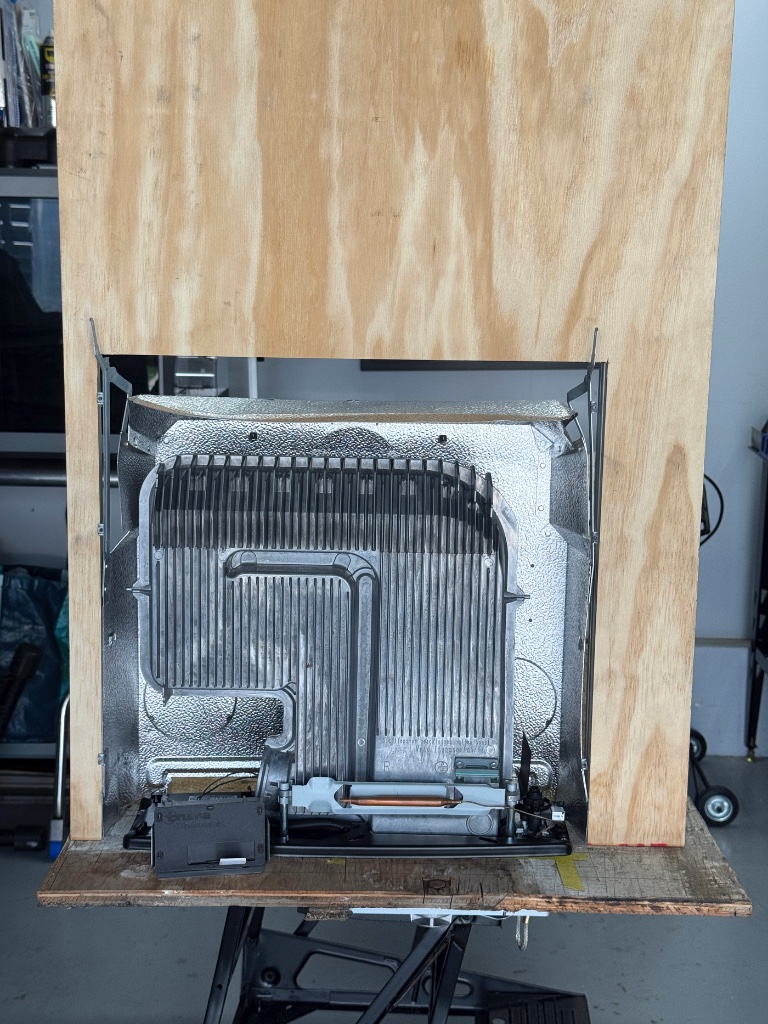
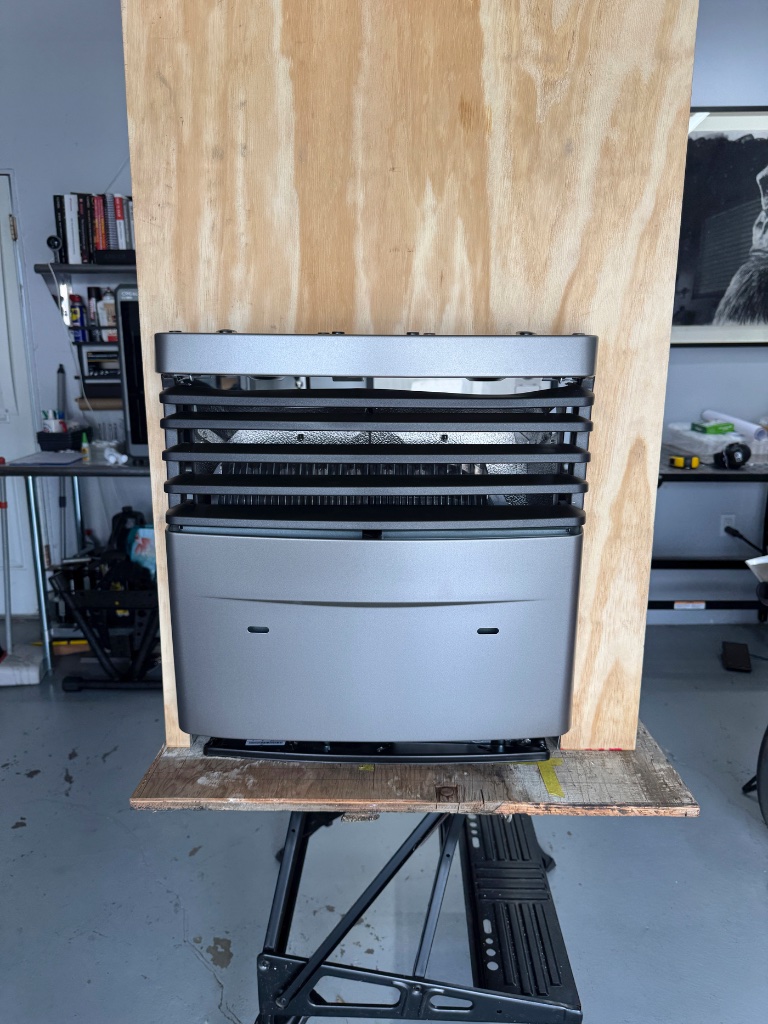
A convection heater is a thing. You can buy them in Europe. In fact Truma, a German company, makes a very energy efficient convection heater that uses almost no electricity at all — two AA batteries — they just don't sell or ship them to the USA.
Having identified the correct model to buy as the Truma S3004, I then set about procuring one. This was pretty easy. I had it shipped to my Dad in England, who then sent it onto my via Fedex, and here is where it all went to shit.
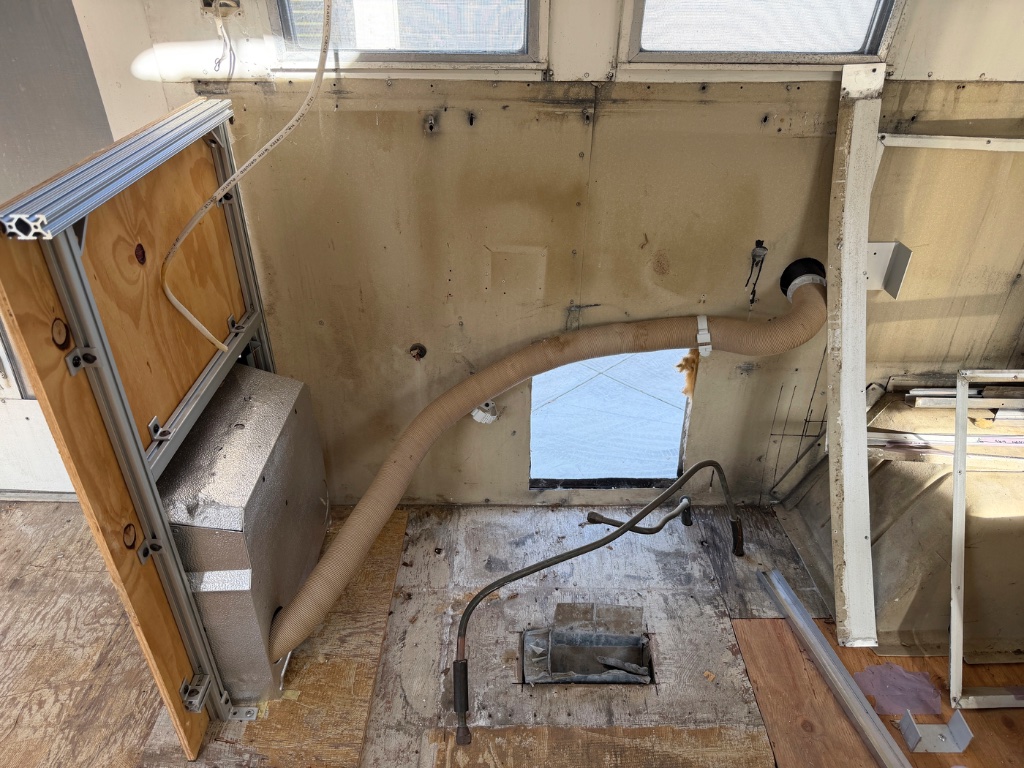
First, the package got stuck in customs, not for days or weeks, for months. Then when it eventually arrived it had been damaged in transit and had to be repaired. Then I went to do a test install in the airstream and discovered that the instructions could not have been more useless. Eventually I discovered that to complete the installation I needed another part, which also had to be shipped from Europe.
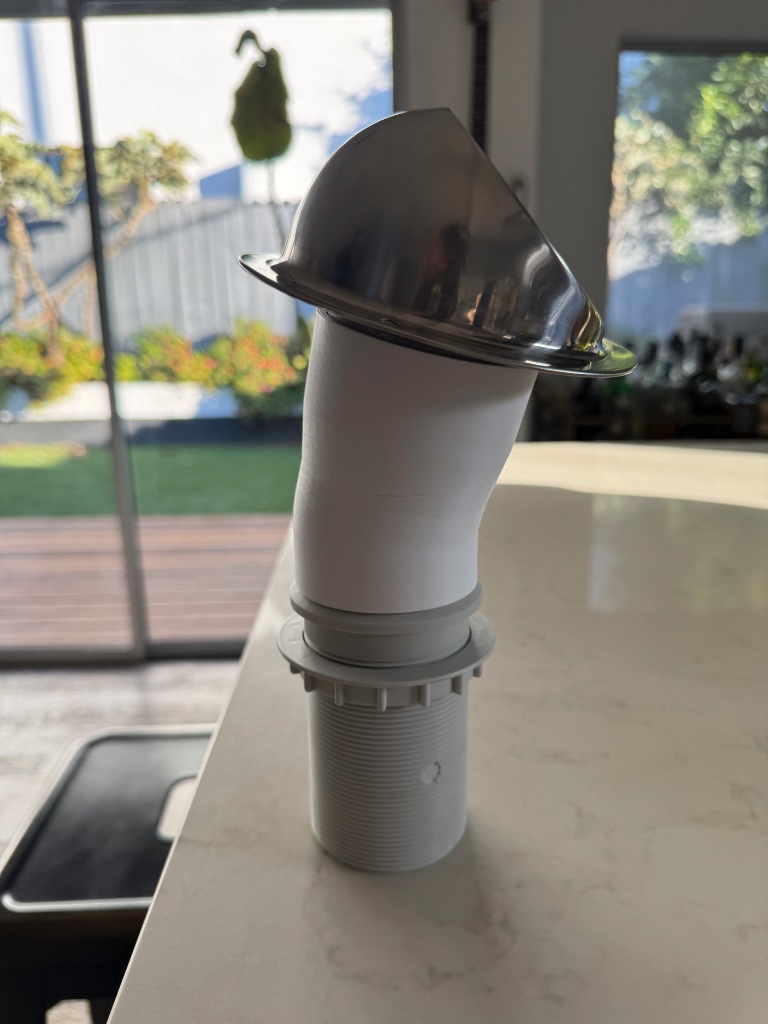
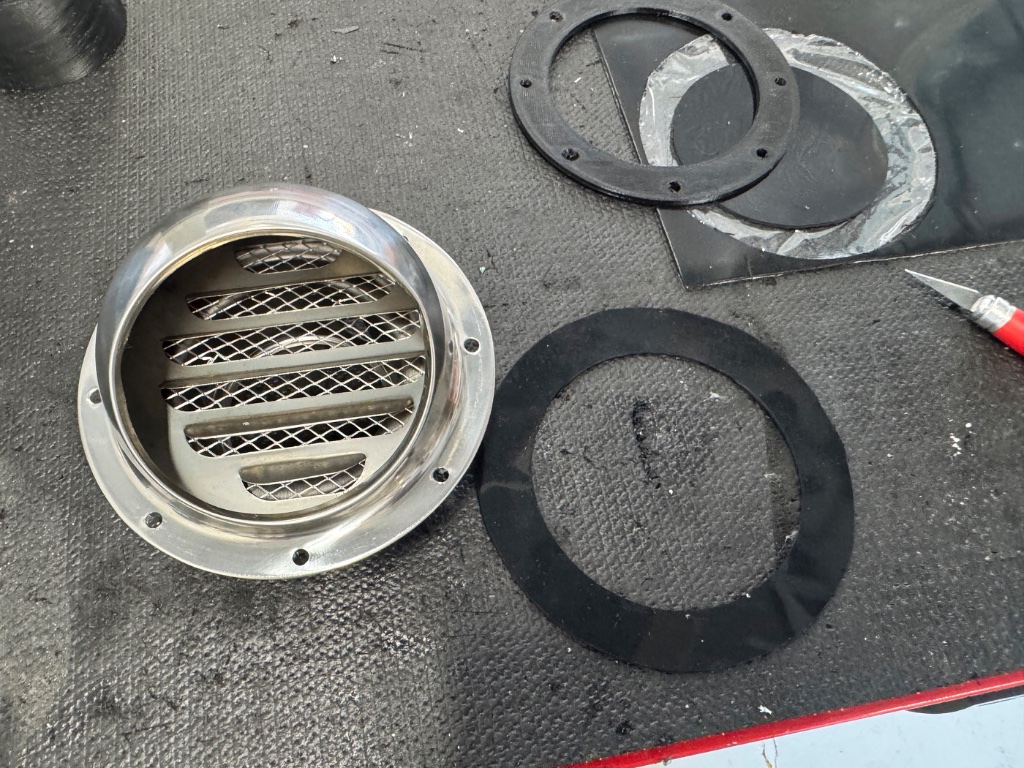
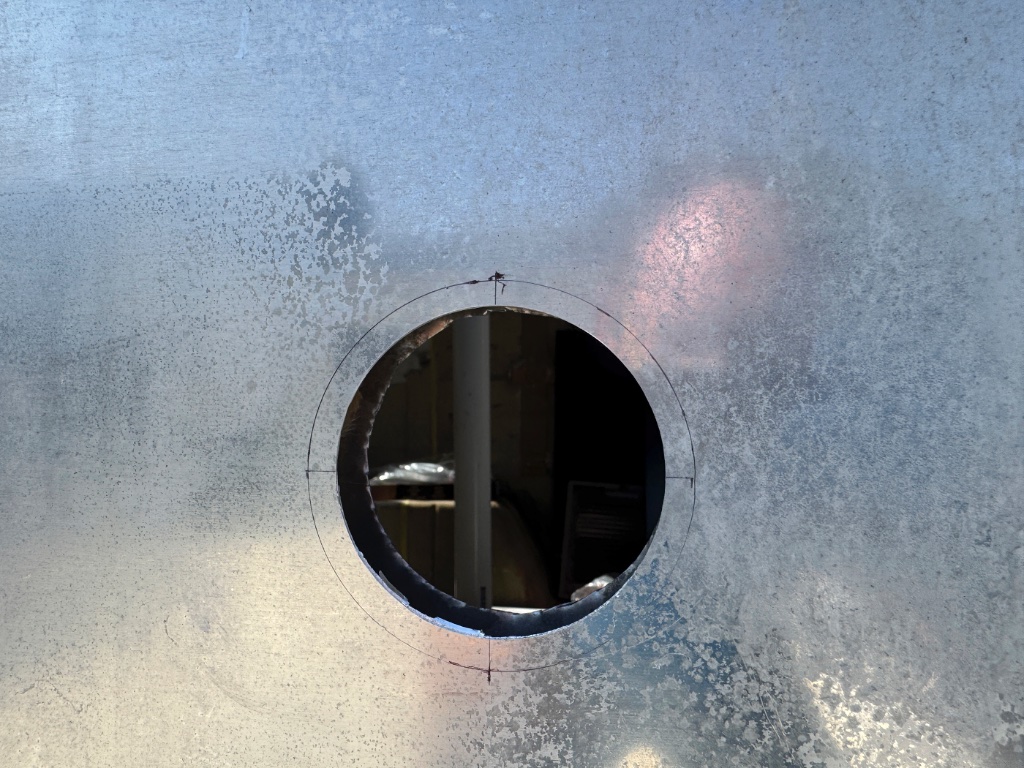
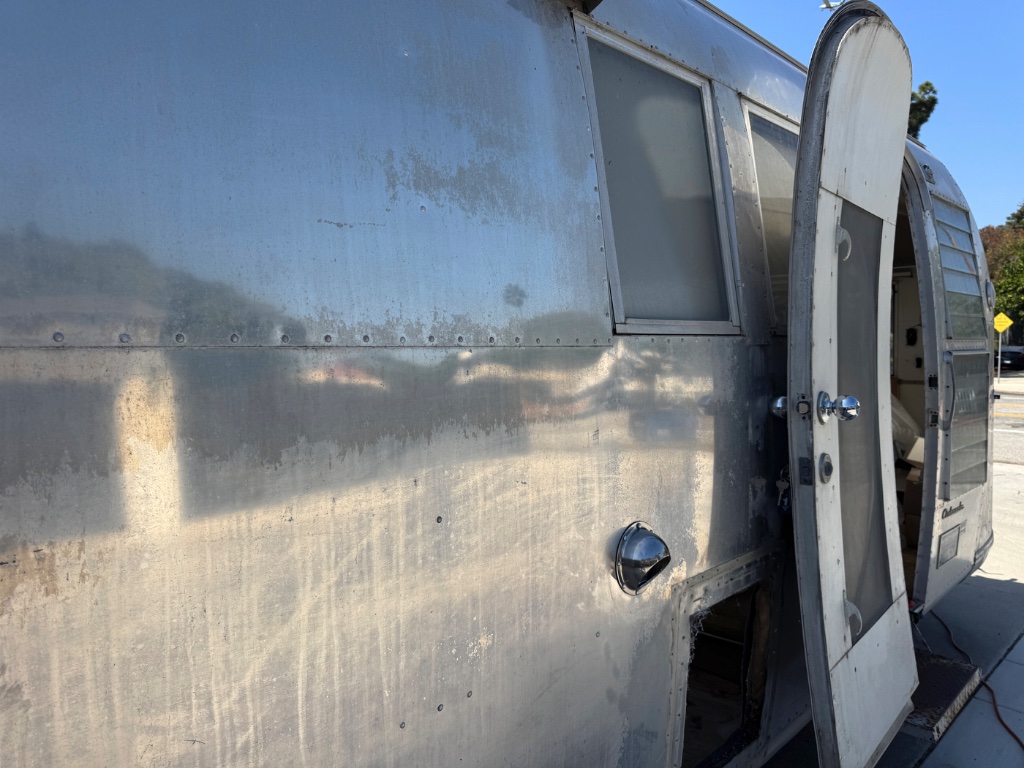
Then there was the matter of the flue. Where should it be routed, and where should the exhaust exit the trailer? Could I live with myself having such an ugly piece of plastic (the chimney) sticking out of my beautiful vintage trailer? I could not. Cue hours of work trying to find a vintage OEM looking exhaust port, designing a coupling to attach the flue to the exhaust, and then connecting the whole thing up to test it.
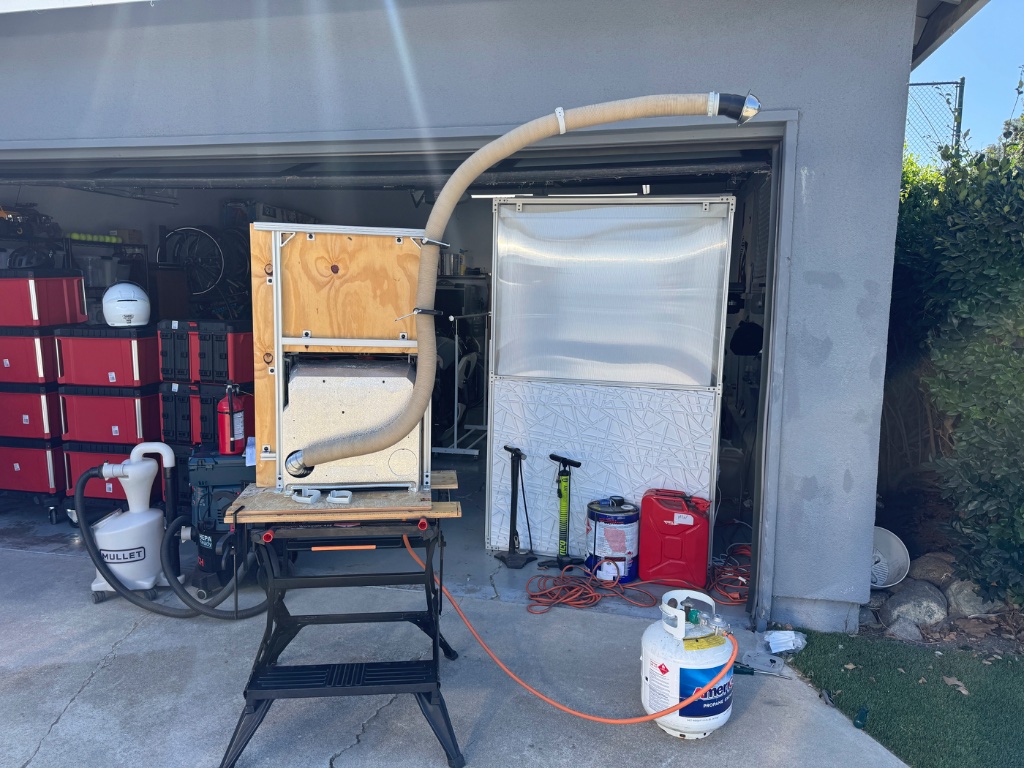
At this point I discovered another problem. Propane piping in the USA and EU don't just use different sizes, they use different measurement systems. Cue more headaches trying to figure out how to connect a propane tank to the right regulator to the right pipe to the heater.
Well. I have won (eventually) and have run a successful test. To my delight the amount of heat this thing throws out is absolutely wild. It is going to work beautifully. And the exhaust port is so discreet and aesthetically similar to the trailer itself that it looks like it came from the factory that way.
Perseverance, it turns out, is the key.